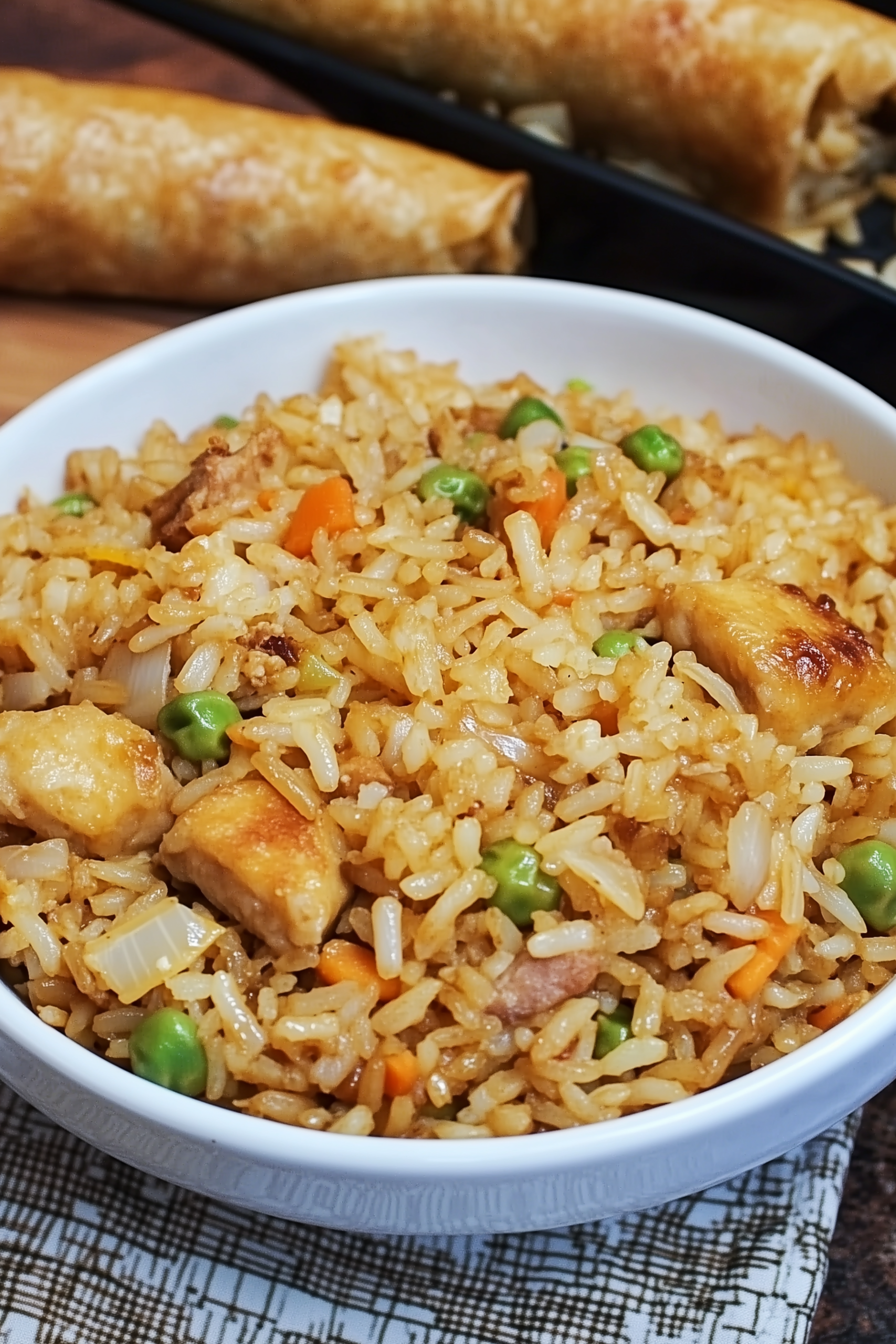
Master Fried Rice: Pro Tips for Restaurant Taste & Quick Cleanup
There are few dishes as universally beloved and deeply satisfying as fried rice. It’s that perfect blend of savory, comforting, and incredibly versatile, capable of transforming simple ingredients into a meal that feels straight out of your favorite Chinese restaurant. But what if we told you that achieving that authentic, mouth-watering taste – the kind that makes you choose homemade over takeout – is not only possible but surprisingly easy? This comprehensive guide will equip you with the pro tips and tricks to create a truly irresistible,
better than take out fried rice recipe, complete with a secret bonus: minimal cleanup!
Whether you’re seeking a quick weeknight dinner, a smart way to utilize leftovers, or a crowd-plepleasing side dish, fried rice delivers every time. Its magic lies in its simplicity and adaptability, allowing you to tailor it to your exact preferences, from a vibrant vegetarian version to a protein-packed meal featuring chicken, shrimp, pork, or even bacon. Get ready to elevate your kitchen game and discover why this dish is poised to become your new culinary staple.
The Foundation: Secrets to Superior Rice Texture
The cornerstone of any outstanding fried rice isn't just the seasonings or the proteins, but the rice itself. Skip this crucial step, and you risk a mushy, clumpy mess rather than the perfectly separated, slightly chewy grains characteristic of restaurant-quality fried rice.
The golden rule for truly magnificent fried rice is to use
cold, day-old rice. Here's why: Freshly cooked rice retains a high moisture content, which, when stir-fried, leads to steaming and sticking. Cold rice, however, has dried out slightly, firming up the individual grains. This lower moisture content allows the rice to fry rather than steam, giving you that desirable light, airy, and slightly crispy texture. Long-grain white rice, like jasmine or basmati, is generally preferred for its distinct grain separation. Brown rice can also be used, offering a nuttier flavor and chewier texture.
What if you're craving fried rice now and don't have leftover cold rice? Don't despair! You can quick-chill freshly cooked rice. Simply spread the hot rice in a thin, even layer on a baking sheet. Pop it into the refrigerator for 30-45 minutes or, if you're in a real rush, the freezer for 10-15 minutes. The goal is to cool it down rapidly and help some of that excess moisture evaporate. This simple technique is an absolute game-changer for achieving that sought-after texture in your
Homemade Fried Rice: Better Than Takeout & Ready In Under 30 Mins.
Crafting Flavor: Essential Ingredients & Savory Upgrades
While the rice provides the canvas, the harmonious blend of ingredients paints the masterpiece. A truly authentic
better than take out fried rice recipe hinges on a few core components, but don't shy away from creative additions.
The Core Flavor Builders:
*
Oil: Opt for a neutral, high smoke point oil like canola, grapeseed, or peanut oil.
*
Eggs: Fluffy, scrambled eggs are a signature element. They add richness and a pleasant texture.
*
Vegetables: Frozen mixed vegetables (peas, carrots, corn) are a convenient staple. However, feel free to elevate your dish with fresh additions like diced onions, garlic, finely chopped broccoli, snap peas, water chestnuts, or even mushrooms. The more vibrant, the better!
*
Soy Sauce: Regular or low-sodium soy sauce provides the primary savory base. Don't be afraid to adjust to taste at the end.
*
Sesame Oil: A drizzle of toasted sesame oil right at the end imparts that unmistakable nutty aroma and depth of flavor that defines restaurant-style fried rice.
*
Aromatics: Minced garlic and ginger are non-negotiable for a truly flavorful dish, laying down a pungent and aromatic foundation.
Protein Power-Ups:
The beauty of fried rice is its incredible versatility. Make it a complete meal by adding your favorite protein.
*
Chicken: Diced cooked chicken (especially leftover rotisserie chicken!) is a perennial favorite, offering a satisfying bite.
*
Shrimp: Quick-cooking shrimp adds a delicate, sweet flavor.
*
Pork: Diced ham, char siu (Chinese BBQ pork), or even crispy bacon bits can transform the dish.
*
Vegetarian Options: Tofu, tempeh, or simply loading up on extra vegetables ensures a hearty and flavorful meal for those avoiding meat. For a low-carb alternative, cauliflower rice works wonderfully as a substitute for traditional rice.
The Secret Sauce Blend:
Many home cooks simply toss in soy sauce, but a subtle "sauce" blend is what often elevates takeout fried rice. Consider whisking together:
* 2-3 tablespoons soy sauce
* 1 teaspoon oyster sauce (for umami depth, optional)
* 1/2 teaspoon sugar (balances salinity and aids browning)
* 1/4 teaspoon white pepper (a classic Chinese seasoning)
* A pinch of MSG (optional, but contributes significantly to the "takeout taste")
Prepare this blend ahead of time, as cooking fried rice moves very quickly!
Mastering the Heat: High-Temperature Technique for "Wok Hei"
The single most crucial technique for achieving that distinct restaurant flavor, often referred to as "wok hei" (the breath of the wok), is cooking over high heat. This isn't just a suggestion; it's a fundamental principle for a superior fried rice experience.
Alyssa’s Pro Tips for High Heat Cooking:
1. **Prep Everything First (Mise en Place):** Fried rice cooks incredibly fast. Have all your ingredients chopped, measured, and ready to go before you even turn on the stove. This prevents burning and ensures a smooth cooking process.
2. **Use a Large Pan:** Whether it's a wok or a large, heavy-bottomed skillet, ensure it's spacious enough. Overcrowding the pan lowers the temperature and causes ingredients to steam rather than fry, leading to a soggy outcome. Cook in batches if necessary.
3.
Sear Proteins First: If using raw chicken, shrimp, or pork, cook them in a single layer until just cooked through and slightly browned. Remove them from the pan and set aside.
4.
Hot Oil, Quick Aromatics: Add a bit more oil to the screaming hot pan. Toss in your minced garlic and ginger. Stir-fry for just 15-30 seconds until fragrant—do not let them burn!
5.
Veggies Next: Add your chopped vegetables (harder ones like carrots first, then peas, corn, etc.). Stir-fry vigorously for 1-2 minutes until they are vibrant and tender-crisp.
6.
Introduce the Rice: Add your cold rice to the pan. Break up any clumps with your spatula. Continue stir-frying, pressing the rice against the hot pan to encourage browning and separation. This is where you get those lovely slightly crispy bits.
7.
The Egg Technique: Once the rice is heated through, push it to one side of the pan. Add a little more oil to the cleared space, then pour in your whisked eggs. Scramble them quickly in that space, then mix them into the rice and vegetables.
8.
The Sauce Finish: Pour your prepared sauce blend evenly over the rice. Toss continuously to coat everything. Cook for another 1-2 minutes, ensuring the sauce is well distributed and slightly caramelized.
9.
Final Touches: Remove from heat and drizzle with toasted sesame oil. A sprinkle of chopped green onions adds freshness and a pop of color.
Cooking at high heat prevents ingredients from releasing too much moisture, ensuring they brown beautifully and develop complex flavors. Constant stirring is key to even cooking and preventing sticking or clumping.
Customization, Cleanup & Storage: Your Fried Rice Toolkit
One of the most appealing aspects of a stellar
better than take out fried rice recipe is its inherent flexibility, making it a dream for both creative cooks and busy families alike. Plus, the ease of cleanup is a bonus that keeps it in regular rotation.
Endless Customization:
*
For Picky Eaters: Fried rice is a fantastic way to introduce vegetables to children or adults who are selective about their food. Finely dice vegetables, and integrate them seamlessly. The savory flavors and familiar texture often win them over. This dish is truly a game-changer for families, as highlighted in
Transform Leftovers: Easy, Customizable Fried Rice for Picky Eaters.
*
Dietary Needs: Easily adapt it for vegetarian, vegan (omit eggs, use plant-based protein), or low-carb (cauliflower rice) diets without sacrificing flavor.
*
Leverage Leftovers: From cooked meats to wilting vegetables, fried rice is the ultimate "use what you have" meal, minimizing food waste and maximizing deliciousness.
The One-Pan Wonder & Easy Cleanup:
The beauty of this recipe extends beyond its taste. Everything cooks in a single wok or large skillet. This means less mess and significantly less cleanup. High-heat cooking also helps prevent food from sticking stubbornly to the pan, making scrubbing a breeze. This one-pan magic makes fried rice an ideal choice for busy weeknights when time is of the essence.
Storage & Reheating:
*
Refrigeration: Leftover fried rice stores wonderfully in an airtight container in the refrigerator for up to 3-4 days.
*
Freezing: Yes, you can freeze it! Portion cooled fried rice into freezer-safe containers or zip-top bags. It will keep well for up to 2-3 months. Thaw overnight in the fridge before reheating.
*
Reheating: For best results, reheat fried rice on the stovetop in a lightly oiled pan over medium heat, stirring occasionally until heated through. Alternatively, microwave it in short bursts, stirring between each, until hot. Avoid reheating more than once to maintain quality and food safety.
By mastering these tips, you're not just making fried rice; you're creating a culinary experience that rivals your favorite takeout, all from the comfort of your own kitchen, with minimal fuss and maximum flavor. Say goodbye to delivery menus and hello to your new homemade addiction!