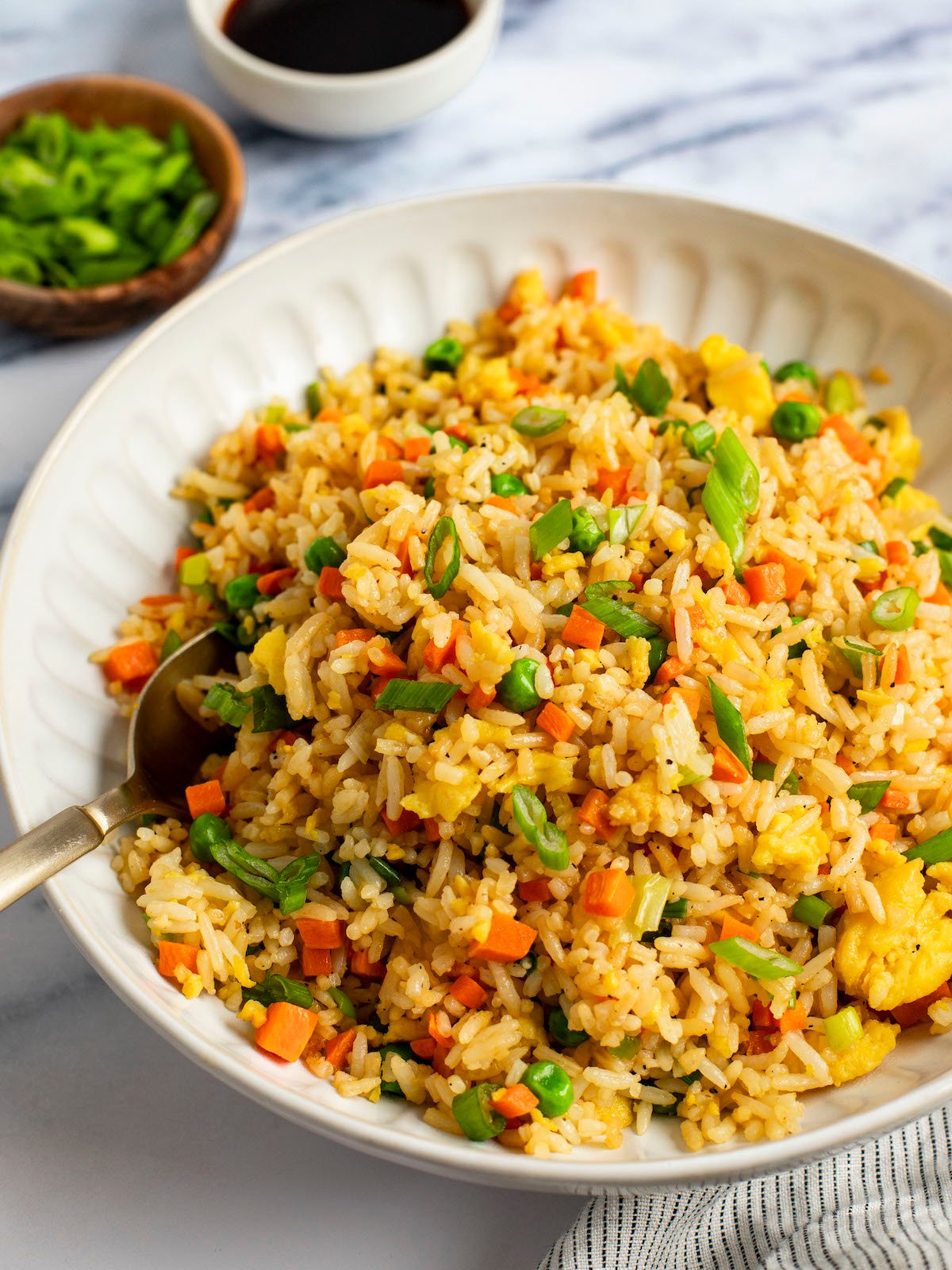
Homemade Fried Rice: Better Than Takeout & Ready in Under 30 Mins
There are few dishes as universally beloved and deeply satisfying as fried rice. It’s the ultimate comfort food, a go-to choice for a quick meal, and a fantastic way to use up ingredients you already have on hand. But what if we told you that the best fried rice isn't just a phone call away, but something you can whip up in your own kitchen in under 30 minutes? Forget the wait times and questionable ingredients of your usual order – a truly customizable fried rice that’s undeniably better than takeout is within your reach.
This isn't just another fried rice recipe; it's your new secret weapon for weeknight dinners, impressive last-minute sides, and smart meal prep. With a little insider knowledge and a few simple steps, you'll be creating a dish so flavorful and fresh, you might just permanently delete your local Chinese restaurant from your speed dial. Let's dive into the world of homemade fried rice and discover why it consistently beats the competition.
Why Your Kitchen's Fried Rice Will Be Superior to Takeout
The allure of takeout is undeniable, especially after a long day. But when it comes to fried rice, the homemade version consistently wins on multiple fronts:
- Unmatched Freshness and Flavor Control: When you make fried rice at home, you control every single ingredient. This means using the freshest vegetables, high-quality proteins, and adjusting seasonings like soy sauce and sesame oil exactly to your preference. No more overly salty or greasy disappointments. You can achieve that perfect balance of savory, umami, and aromatic notes that truly defines a great fried rice.
- Speed and Convenience: Believe it or not, preparing this dish is often faster than waiting for delivery or pickup. With a little prep, your better than take out fried rice recipe can be on the table in about 25 minutes – quicker than most delivery apps can even find a driver! It’s an ideal solution for those "I don't feel like cooking" moments.
- Endless Customization Options: This is where homemade truly shines. Have leftover chicken? Toss it in! Craving shrimp? Add it! Want to go vegetarian or low-carb? The choice is yours. This dish is incredibly versatile, making it perfect for using up whatever you have in the fridge and catering to various dietary needs or picky eaters. From adding extra veggies like broccoli or snap peas to experimenting with different proteins like ham, bacon, or even tofu, the possibilities are limitless.
- Healthier Choices: By cooking at home, you dictate the amount and type of oil used, and you can easily opt for low-sodium soy sauce. This gives you peace of mind, knowing exactly what's going into your body, without sacrificing any of the deliciousness.
- Budget-Friendly: Regular takeout can quickly add up. Making fried rice at home is significantly more cost-effective, turning simple pantry staples and leftovers into a gourmet-level meal for a fraction of the price.
The Secret to Restaurant-Quality Fried Rice: Key Ingredients & Prep
The foundation of an outstanding fried rice isn't just about what you put in, but how you prepare it. Here’s how to set yourself up for success:
The Golden Rule of Rice: Use Cold, Day-Old Grains
This is perhaps the most critical tip for achieving that perfect, non-clumpy, restaurant-style texture. Cold, leftover rice is significantly drier and firmer than freshly cooked rice. This prevents it from steaming in the pan and clumping together, allowing each grain to crisp up beautifully. Long-grain white rice or even brown rice works best.
- Pro Tip: If you don’t have day-old rice, don't despair! Cook your rice fresh, then spread it evenly on a sheet pan. Pop it into the refrigerator for 30-45 minutes, or even the freezer for 10-15 minutes, to cool it down and dry it out quickly.
Power Up with Protein
The beauty of fried rice is its adaptability. Pre-cooked proteins are your best friend here, speeding up the process considerably:
- Chicken: Shredded rotisserie chicken, leftover grilled chicken, or quickly diced and sautéed chicken breast are all excellent.
- Shrimp: Quick-cooking shrimp adds a delightful seafood twist.
- Pork: Diced ham, cooked bacon bits, or even leftover roasted pork can be fantastic.
- Vegetarian Options: Cubed firm tofu (pressed and lightly browned), scrambled eggs as the main protein, or simply a medley of vegetables.
Vibrant Veggies & Flavor Foundation
A classic better than take out fried rice recipe often includes diced carrots, peas, and corn. But don't limit yourself!
- Standard Aromatics: Finely diced onion, minced garlic, and a touch of ginger form the aromatic base.
- Vegetable Additions: Consider adding finely chopped bell peppers, snap peas, water chestnuts, broccoli florets, or chopped mushrooms for extra texture and nutrients.
- Essential Sauces & Seasonings:
- Soy Sauce: Regular or low-sodium, to taste. This is your primary savory element.
- Sesame Oil: A drizzle at the end for that unmistakable nutty aroma and depth of flavor.
- Eggs: Lightly beaten and quickly scrambled, adding fluffiness and richness.
- Optional: A dash of oyster sauce for extra umami, or a pinch of white pepper.
Mastering the Wok (or Skillet): Your Step-by-Step Guide
Creating that perfect texture and flavor profile isn't just about the ingredients; it's about the technique. You only need one pan and a few basic principles to get it right.
High Heat is Your Best Friend
This is a crucial tip often overlooked in home cooking. Cooking fried rice over high heat is essential. It helps to quickly brown the rice and vegetables, creating that slightly crispy exterior and preventing everything from steaming and becoming mushy. Avoid overcrowding the pan, which lowers the temperature and can lead to a less-than-ideal texture. Stir frequently to ensure even cooking and prevent sticking.
Layering Flavors for Depth
The order in which you add ingredients matters. Start with a neutral high-heat oil (like canola or vegetable oil).
- Aromatics First: Sauté your diced onions, garlic, and ginger until fragrant. This builds a foundational layer of flavor.
- Protein Power-Up: If using raw protein, cook it now until nearly done, then set it aside or push it to one side of the pan. If using pre-cooked protein, you'll add it back in later.
- Vibrant Veggies: Add your harder vegetables (carrots, bell peppers) first, giving them a head start before adding softer ones (peas, corn). Stir-fry until tender-crisp.
- The Star – Rice: Add your cold, day-old rice. Break up any clumps with your spatula and spread it out as much as possible to maximize surface contact with the hot pan. Let it sit for a minute or two without stirring to get a slight char, then stir constantly.
- Eggs & Sauce: Create a well in the center of the pan, add a touch more oil if needed, and pour in your lightly beaten eggs. Scramble them quickly, then mix them into the rice and vegetables. Immediately add your soy sauce and any other seasonings, tossing everything together until well combined and heated through.
- Finishing Touch: Remove from heat, drizzle with sesame oil, and give one final toss. Serve immediately!
Customization Beyond the Basics
Once you’ve mastered the core recipe, feel free to unleash your creativity.
- Spice It Up: A dash of sriracha or a pinch of red pepper flakes adds a nice kick.
- Umami Boost: A spoon of mushroom powder or a splash of fish sauce can deepen the savory profile.
- Low-Carb Options: Swap out traditional rice for riced cauliflower for a healthier, low-carb alternative that still delivers on flavor and texture.
- Garnish Galore: Fresh chopped green onions, cilantro, or a sprinkle of toasted sesame seeds add a pop of color and freshness.
Meal Prep & Storage Tips
One of the best things about this better than take out fried rice recipe is how well it holds up, making it perfect for meal prepping.
- Refrigeration: Leftovers taste fantastic the next day! Store in an airtight container in the refrigerator for up to 3-4 days.
- Freezing: Yes, you can absolutely freeze fried rice! Once completely cooled, transfer it to an airtight freezer-safe container or a heavy-duty freezer bag. It will keep well for up to 2-3 months.
- Reheating: Reheat on the stovetop over medium heat with a tiny bit of oil, stirring frequently until warmed through. Alternatively, microwave in short bursts, stirring in between. For best quality and safety, avoid reheating more than once.
Conclusion
Say goodbye to soggy, uninspired takeout. With this comprehensive guide, you now have all the tools and knowledge to create a truly exceptional homemade fried rice that is not only ready in under 30 minutes but genuinely tastes better than anything you'd get from a restaurant. It’s quick, easy, endlessly customizable, and perfect for any occasion – from a solo weeknight dinner to a family feast. So grab your ingredients, fire up your pan, and get ready to enjoy the ultimate better than take out fried rice recipe. Your taste buds (and your wallet) will thank you!
